
Are Natural Pain Relief Products Effective? What You Need to Know (UK Guide)
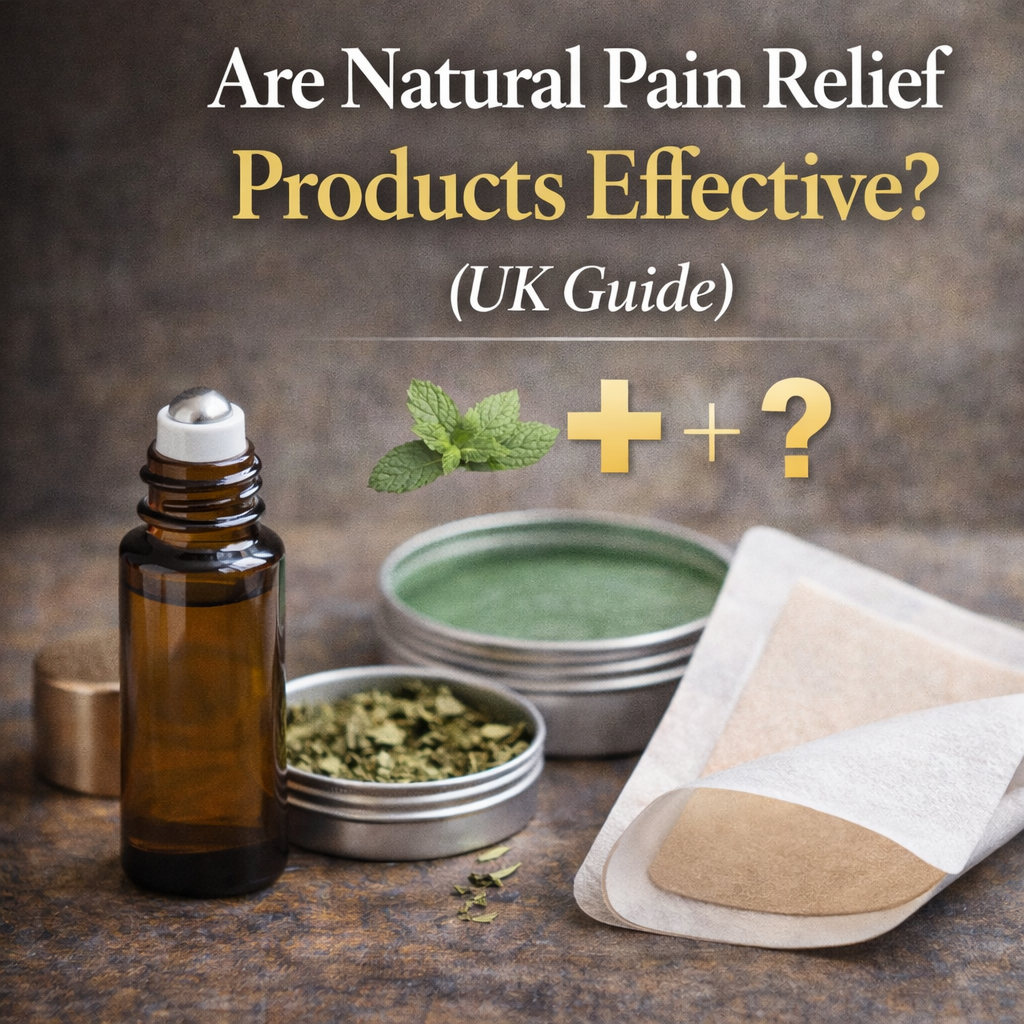
Natural pain relief products have become increasingly popular in the UK, as more people look for alternatives to traditional over-the-counter options. From menthol-based oils to herbal patches, there is a growing range of products designed to support everyday comfort.
But an important question remains — are natural pain relief products actually effective?
In this guide, we explore how these products work, what to expect, and how to use them as part of a balanced wellbeing approach.
What Are Natural Pain Relief Products?
Natural pain relief products typically include ingredients derived from plants or traditional formulations. They are commonly used for:
- Muscle tension
- Joint discomfort
- Post-exercise soreness
- Everyday aches
Examples include:
- Menthol oils
- Herbal balms
- Cooling gels
- Topical patches
These products are usually applied directly to the skin.
How Do Natural Pain Relief Products Work?
Most natural topical products work by creating sensory effects on the skin, rather than acting internally.
For example:
- Menthol produces a cooling sensation
- Camphor creates a warming or cooling effect
- Herbal ingredients may provide aromatic or soothing properties
These effects interact with receptors in the skin, which can help create a sensation of relief or comfort.
What Does “Effective” Mean?
Effectiveness can vary depending on the individual and the situation.
For many people, “effective” means:
- Supporting temporary comfort
- Helping reduce the feeling of tension
- Complementing other healthy habits
- Being easy and convenient to use
Natural products are often used as part of a broader approach, rather than as a standalone solution.
When Natural Products May Be Useful
Natural pain relief products may be helpful for:
- Mild or occasional muscle discomfort
- Tension from desk work
- Post-exercise soreness
- Everyday aches and stiffness
They are commonly used as part of a routine that includes stretching, movement, and good posture.
Benefits of Natural Topical Products
Many people choose natural options for several reasons:
1. Targeted Application
Applied directly where needed.
2. Non-Oral Option
Does not require swallowing tablets.
3. Easy to Use
Simple application and portable.
4. Part of a Natural Routine
Often used alongside other wellbeing practices.
Limitations to Be Aware Of
It’s important to have realistic expectations.
Natural topical products:
- Are not designed to treat serious medical conditions
- May provide temporary support rather than long-term solutions
- Can vary in effectiveness between individuals
They should not replace professional medical advice where needed.
How to Choose the Right Product
When selecting a natural pain relief product, consider:
- Ingredients
- Strength of sensation (cooling or warming)
- Application method (oil, roll-on, patch)
- Convenience for your lifestyle
You can explore different options to find what works best for you.
Supporting Results with Healthy Habits
Natural products are most effective when combined with good daily habits:
- Regular stretching
- Staying active
- Maintaining good posture
- Taking breaks from sitting
- Managing stress
These factors play a key role in overall comfort.
When to Seek Medical Advice
Always seek professional guidance if you experience:
- Severe or ongoing pain
- Pain following an injury
- Swelling or inflammation
- Symptoms that do not improve
Natural products are best suited for mild, everyday discomfort.
Final Thoughts
Natural pain relief products can play a useful role in supporting everyday comfort, especially when used alongside healthy lifestyle habits.
While results can vary, many people find them to be a convenient and practical addition to their wellbeing routine.
Understanding how these products work — and what they can realistically offer — can help you make informed choices.
for more information please refer to our other blogs
- Natural Alternatives to Painkillers UK
- Menthol Oil for Muscle Pain UK
- Menthol Oil vs Pain Relief Patches
- Best Menthol Oils for Muscle Pain UK
- What Causes Muscle Pain
Disclaimer
This article is for general educational and wellbeing purposes only. It is not intended as medical advice and should not replace guidance from a qualified healthcare professional.